Supporting early learning at home doesn’t require worksheets, flashcards, or elaborate setups. Some of the most meaningful learning happens during everyday moments, using what you already have.
Early learning is about helping children notice, explore, and make sense of the world around them. This can happen through conversation, play, and simple hands-on experiences woven into daily life.
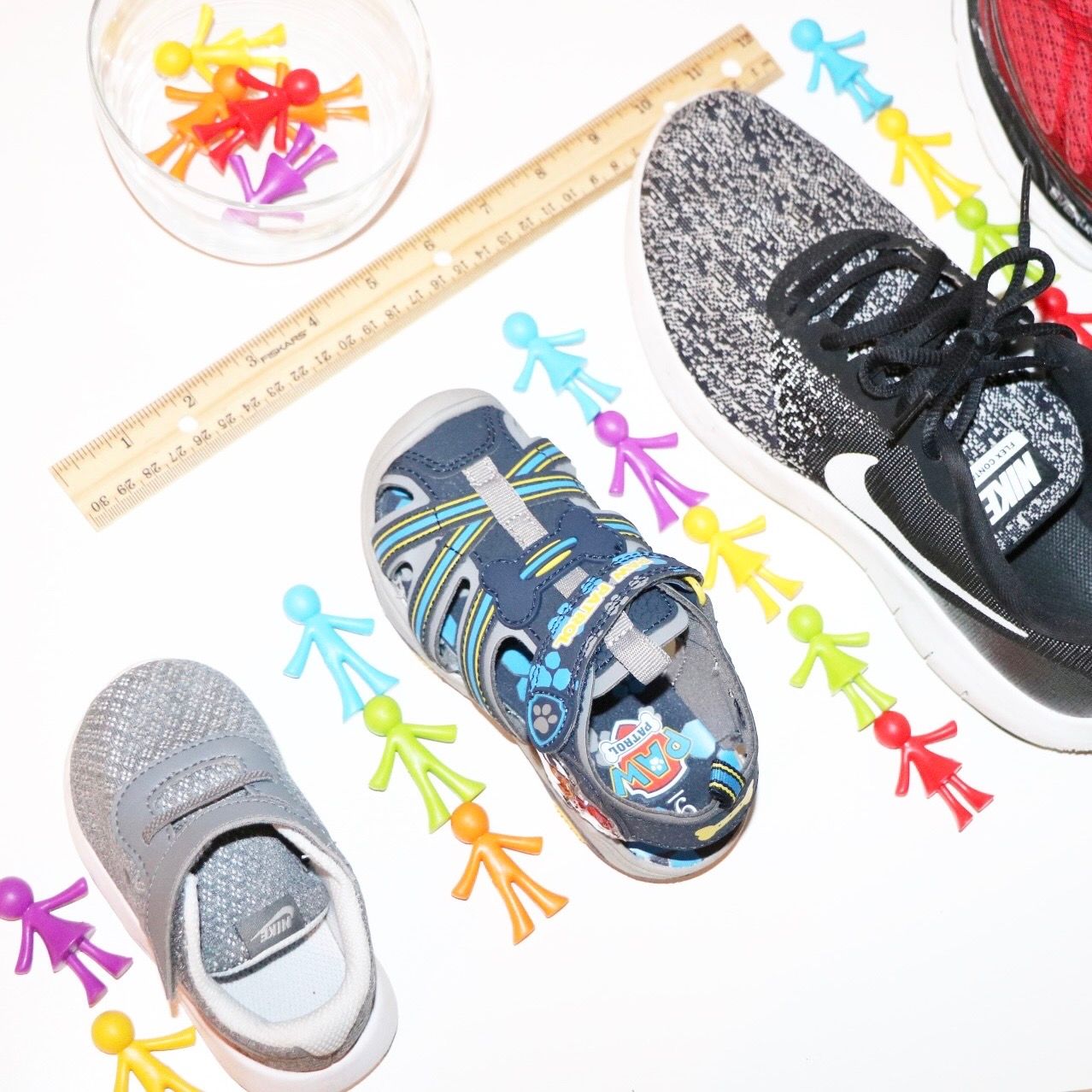
One easy way to support early math skills is through nonstandard measurement. For example, comparing shoe sizes using blocks, cubes, or even other shoes helps children understand concepts like longer, shorter, bigger, and smaller. Measuring shoes side by side invites problem-solving, counting, and conversation without feeling like a lesson.
Moments like this encourage children to ask questions and think critically:
Which shoe is longer?
How many blocks does it take to measure each one?
What happens when we line them up differently?
These playful experiences build early math and language skills while keeping learning joyful and low-pressure.
Learning at home doesn’t need to be perfect or planned. When children are given time, materials, and encouragement to explore everyday objects, learning happens naturally.
By embracing simple activities and real-life moments, we help children build confidence and curiosity which are two of the most important foundations for lifelong learning.
Sometimes the best learning tools are already right at our feet.