Play-based learning is often misunderstood. Many people imagine children simply “playing” without structure or purpose. In reality, play-based learning is thoughtful, intentional, and deeply connected to how young children learn best.
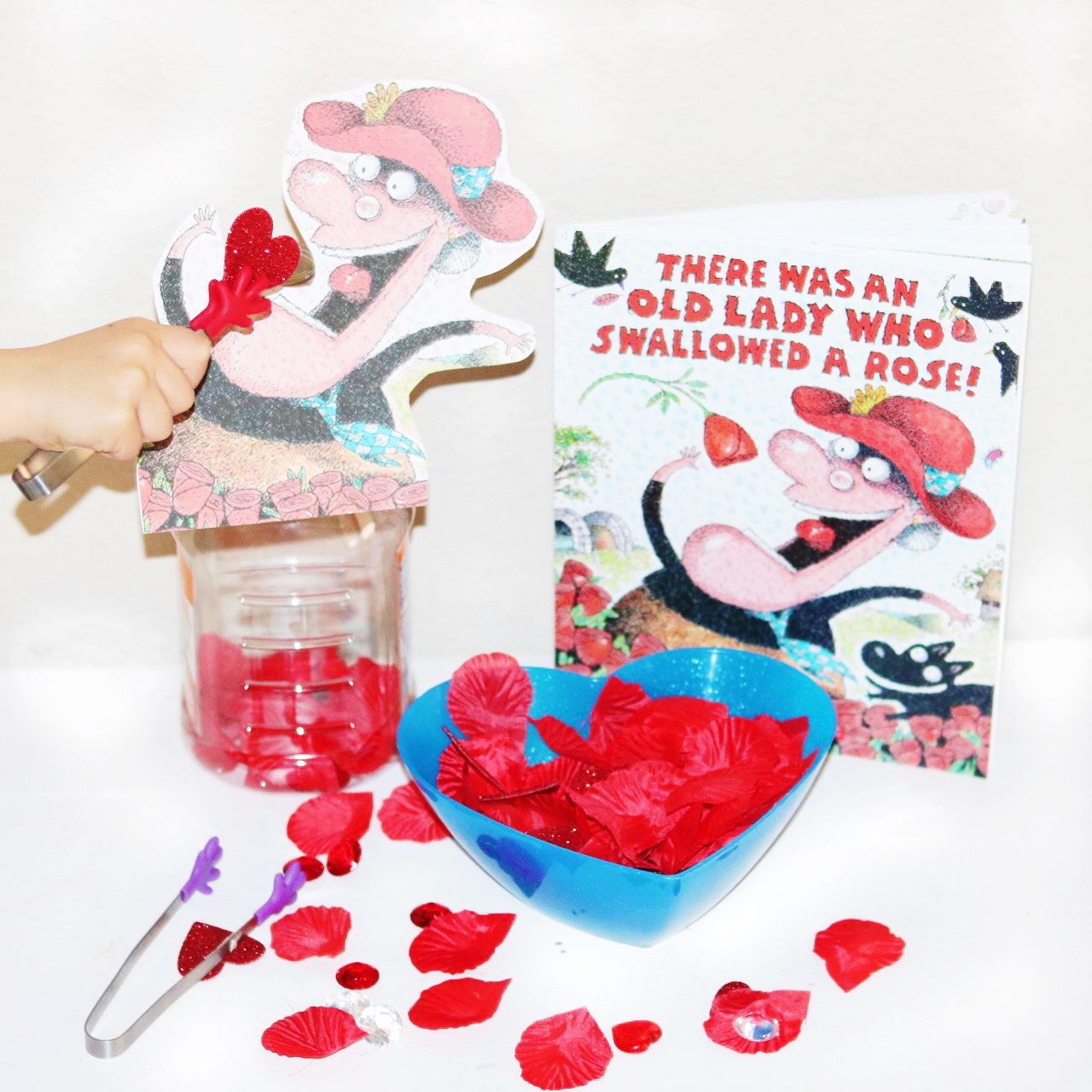
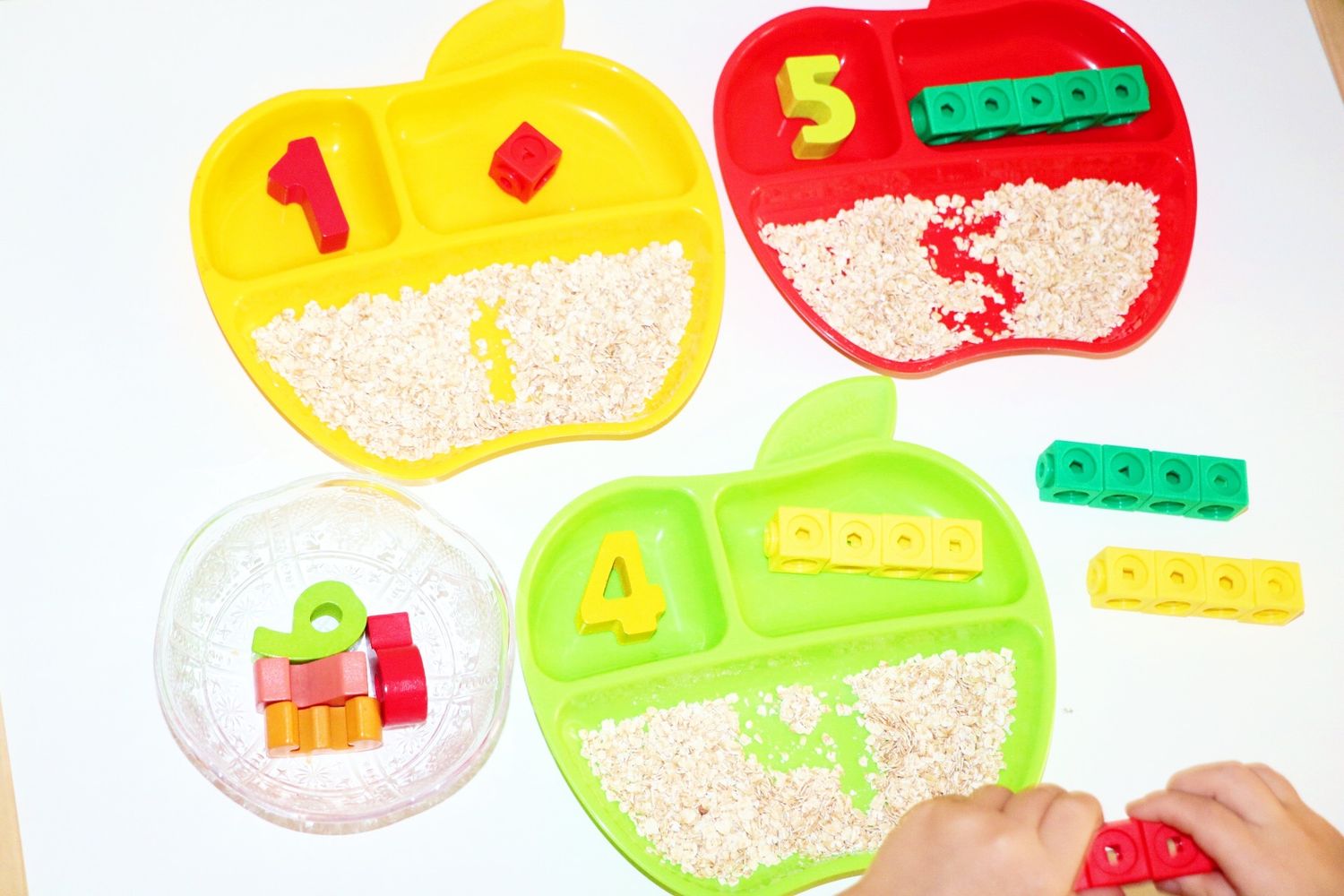
Play-based learning looks like children exploring, asking questions, and engaging with their environment in meaningful ways. It might involve building, sorting, storytelling, drawing, or pretending. These experiences are not random. They support early literacy, problem-solving, fine motor development, and social skills all at once.
In a play-based learning environment, adults guide learning by setting up purposeful activities and then stepping back to observe, encourage, and extend learning through conversation. Children are given space to try, make mistakes, and discover solutions on their own. This builds confidence and independence alongside academic skills.
Play-based learning does not mean there are no goals. The goals are simply woven into the experience rather than presented as worksheets or drills. When learning feels engaging and connected to real life, children are more likely to stay curious and motivated.
Most importantly, play-based learning honors where children are developmentally. It meets them at their level, supports their natural interests, and allows learning to unfold in a way that feels joyful rather than pressured.
Learning through play is not about doing less. It’s about learning in a way that truly lasts.