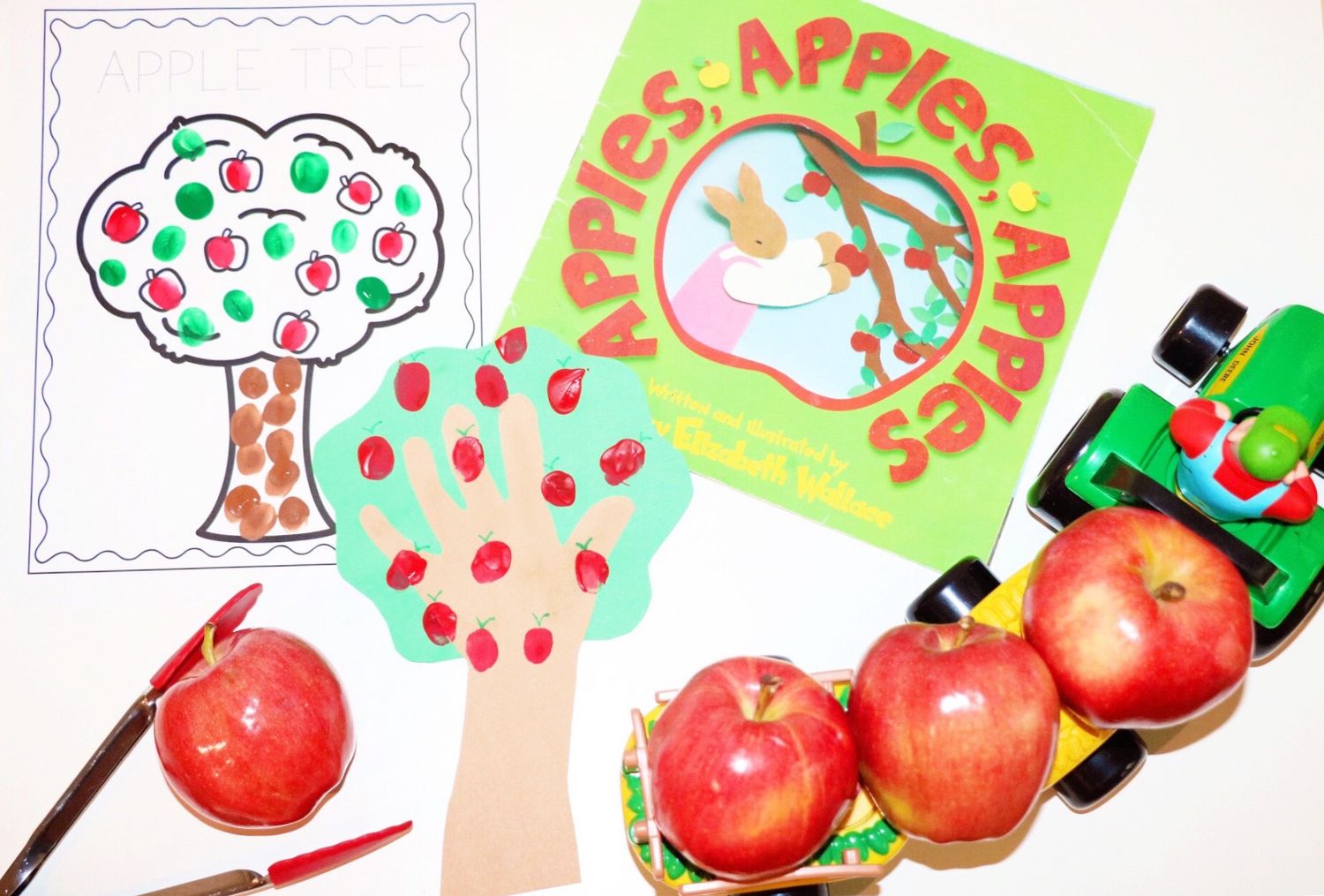
When people think about early literacy, worksheets often come to mind. Tracing letters, filling in boxes, or circling answers can feel like the “right” way to prepare young children for reading and writing. But for early learners, literacy is built long before a pencil ever hits the page.
Early literacy develops through conversation, storytelling, play, and hands-on experiences. When children talk, listen, pretend, sing, and explore, they are building the foundation needed for reading and writing later on. These experiences strengthen language, comprehension, and confidence in ways worksheets simply can’t.
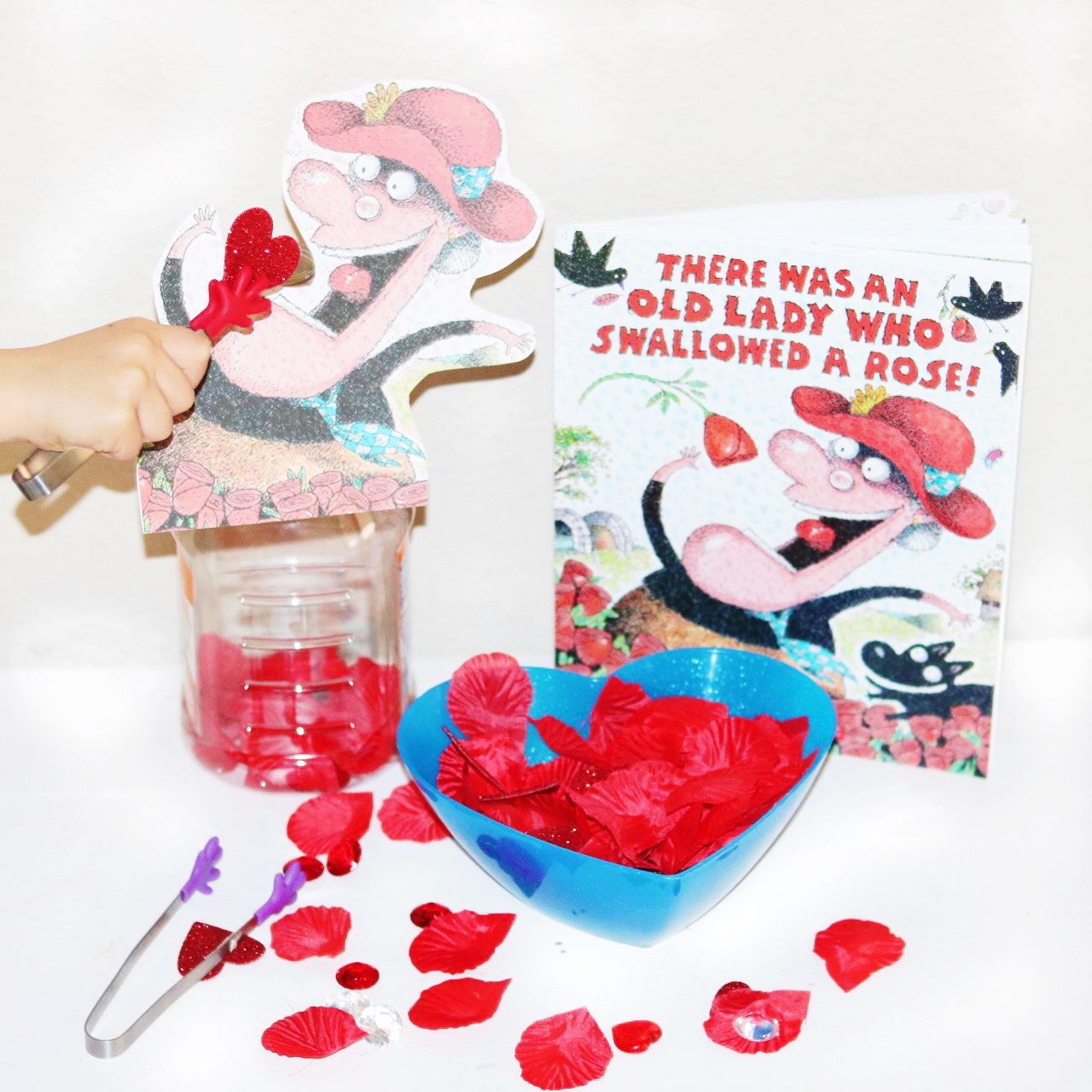
Young children learn best when their bodies and minds are both engaged. Activities like playing with letters, retelling stories with toys, drawing pictures, or exploring sounds in words all support literacy in meaningful ways. These moments feel natural and enjoyable, which helps children stay curious and motivated.
Worksheets aren’t wrong, but they shouldn’t be the starting point. When learning feels too rigid or forced too early, children can begin to associate reading and writing with pressure rather than joy. Literacy should feel inviting, playful, and connected to real life.
Supporting early literacy doesn’t require a stack of papers or complicated plans. Simple moments shared together, reading aloud, talking about stories, and exploring language through play can make the biggest impact.