Imaginative play is one of the most powerful tools in early learning. When children create worlds of their own, they are practicing storytelling, problem-solving, and emotional expression in ways that feel natural and joyful.
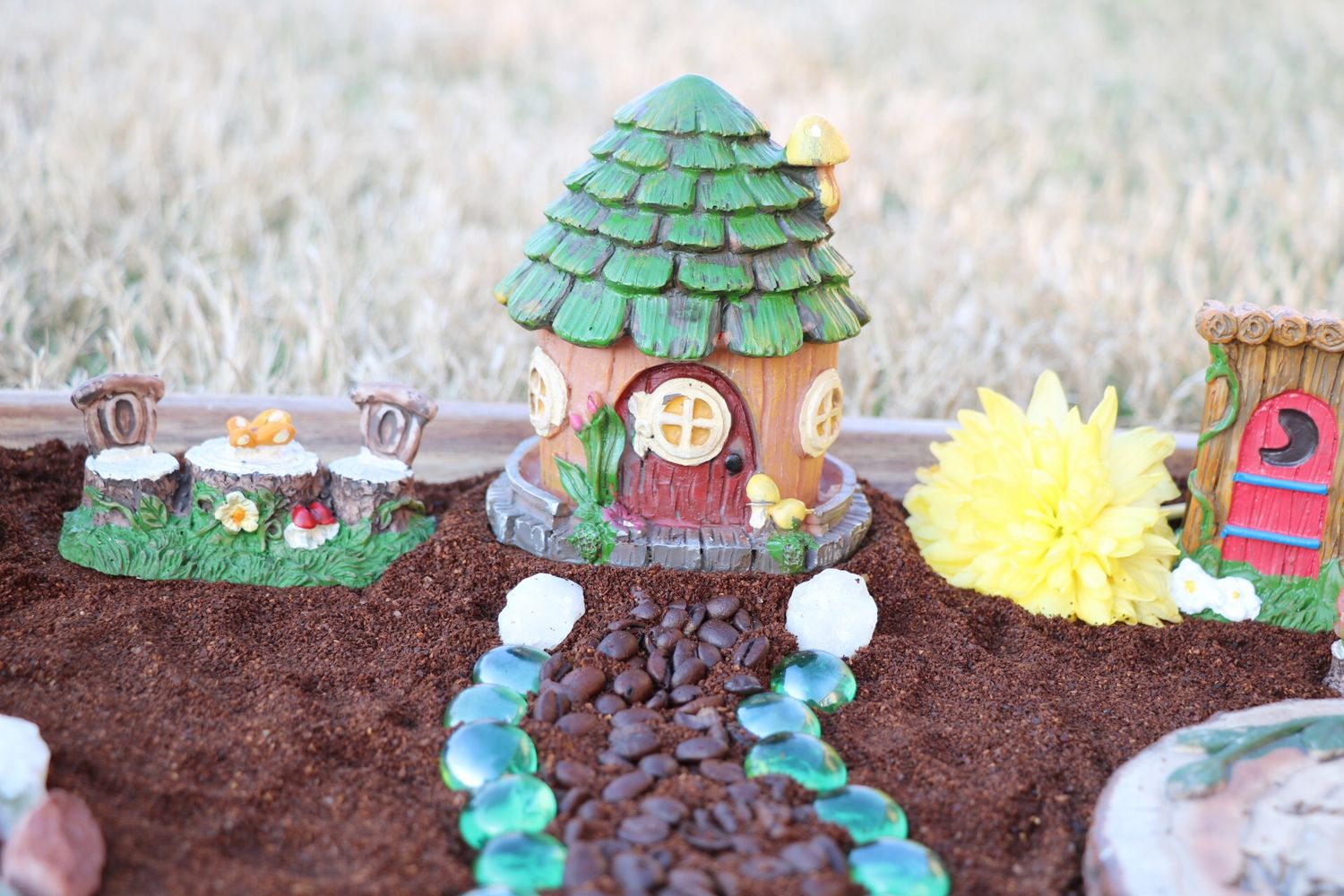
A fairy garden is a simple way to invite imagination into learning. Using natural materials like rocks, leaves, sticks, flowers, and small figurines allows children to design a space that reflects their ideas and creativity. There is no right or wrong way to build a fairy garden — and that freedom is what makes it so valuable.
As children plan and create their garden, they are developing important skills:
Where should the fairy house go?
What materials could be used for a path?
Who lives in the garden and what is their story?
These questions encourage language development, sequencing, and creative thinking. Children begin to narrate their play, invent characters, and explore cause-and-effect through their stories.
Fairy gardens also offer opportunities for social and emotional learning. Children practice patience, collaboration, and empathy as they care for their tiny world and the characters within it.
Imaginative play doesn’t need elaborate supplies. A few simple materials and an open-ended invitation are often enough to spark deep learning.
When children are given space to imagine freely, they build confidence in their ideas and learn that their creativity matters.
Imagination is where learning begins.